Home > Danube region
The Danube region covers one-fifth of the European Union with more than one hundred million inhabitants, as the Danube River is more than 2,900 km long and all of it, from the source to the delta, passes through the territory of ten countries, including Ukraine, connecting the German region Schwarzwald and the Black Sea. Another four states are located in the territory and basin, and 15 are partially covered by it.
Currently, the conglomerate of the Danube countries, which have united within the framework of the implementation of the Danube Strategy, includes the following states:
– nine EU member states: Germany (namely, the federal states of Bavaria and Baden-Württemberg), Austria, Hungary, the Czech Republic, Slovakia, Bulgaria, Romania, Slovenia, Croatia);
– five candidate countries (Bosnia and Herzegovina, Serbia, Montenegro, Ukraine and Moldova).
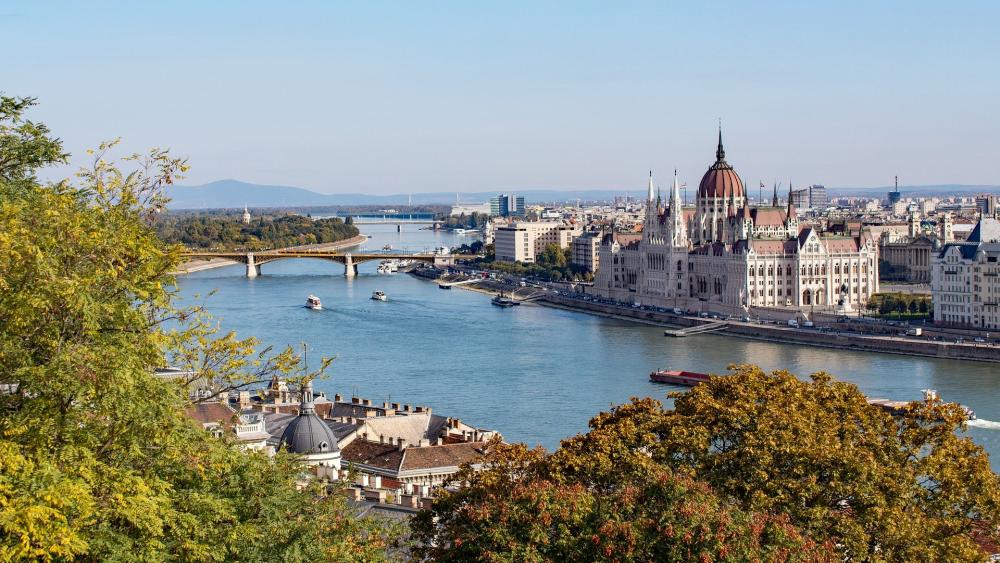
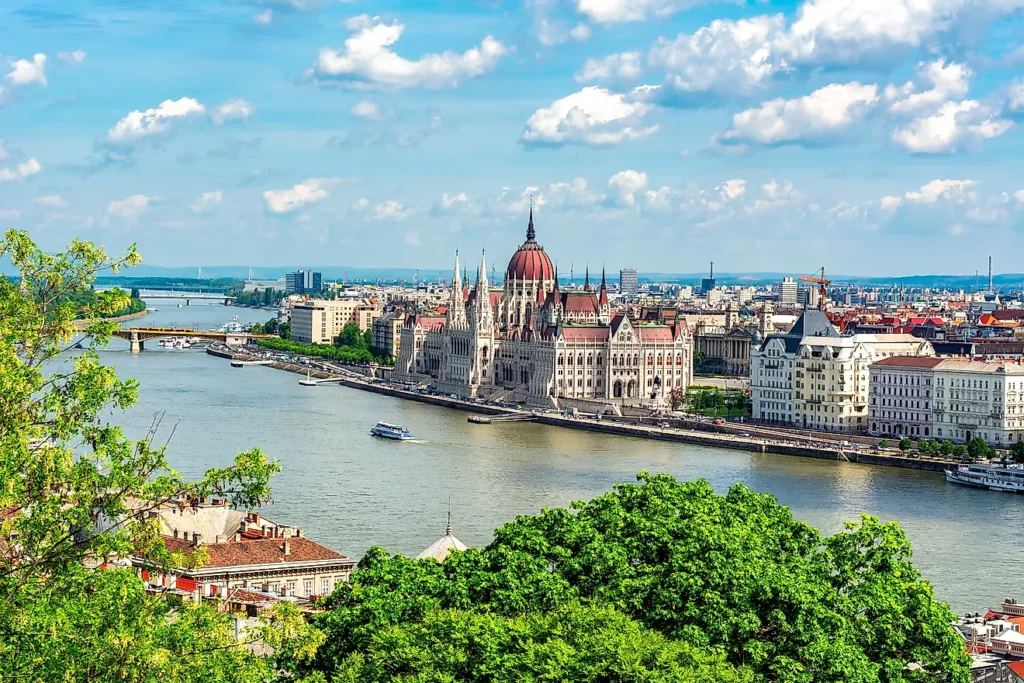
In Ukraine, there are three main tributaries of the Danube – the Seret, Prut and Tisza rivers, located in the Carpathians, while the total length of the Ukrainian navigable section of the Danube is 172 km.
Territorial and administrative units of Ukraine belonging to the Danube region are four regions with a total area of more than 68,000 square kilometers and a population of almost six million. Conventionally, they can be divided into two parts – the “forest” region, which includes Zakarpattia, Ivano-Frankivsk, and Chernivtsi regions, and, accordingly, the “steppe” Odesa region, which, in addition to access to the Danube, has direct access to the Black Sea. Such a discrepancy is possible due to the fact that the length of the Danube and its varied relief create unique conditions for the formation of different types of climate, separated from each other.
According to statistical data, the western regions have a high population density and a low level of urbanization, the southern regions have the opposite. In addition, all regions are border regions, which facilitates international cooperation, trade and travel with neighboring states.
From a territorial distribution perspective, the Ukrainian part of the Danube region is fragmented, characterized by historically determined socio-economic, linguistic, natural-climatic, and landscape features, and the presence of compact ethnic enclaves.