
Home > What is the Danube Strategy of the European Union
The well-being of all the countries of the region is inextricably linked to each other, since the entire territorial area is characterized by a number of common problems – floods and droughts, the need for environmental protection, the need to update the transport and energy spheres, increase tourism and economic potential.
Understanding the need to implement a long-term macro-regional program that will unite this geopolitical sector into a single cross-border development strategy and coordinate international actions, EU member states developed the European Union Strategy for the Danube Region, which was adopted by the European Commission on June 24, 2011 year and supported by the Council of the European Union.
The main goal of the Strategy is formulated in its mission “comprehensive solution of common problems”, which is implemented immediately in four closely related areas:
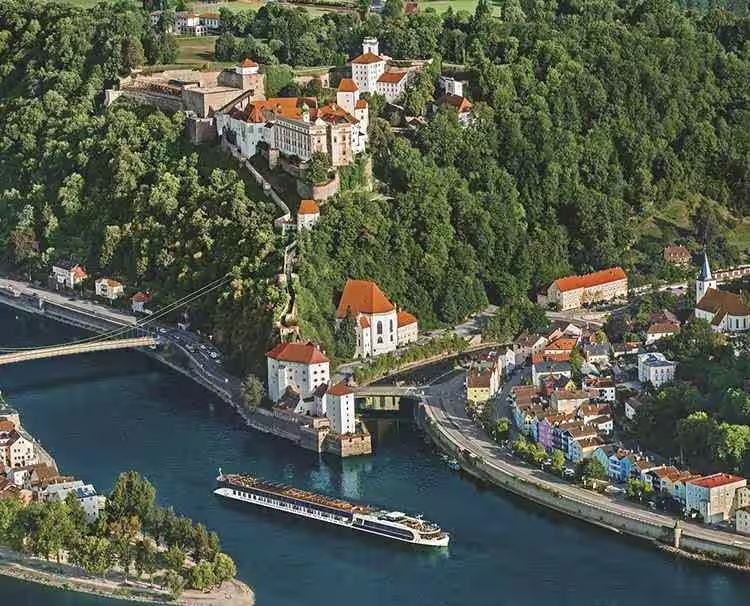
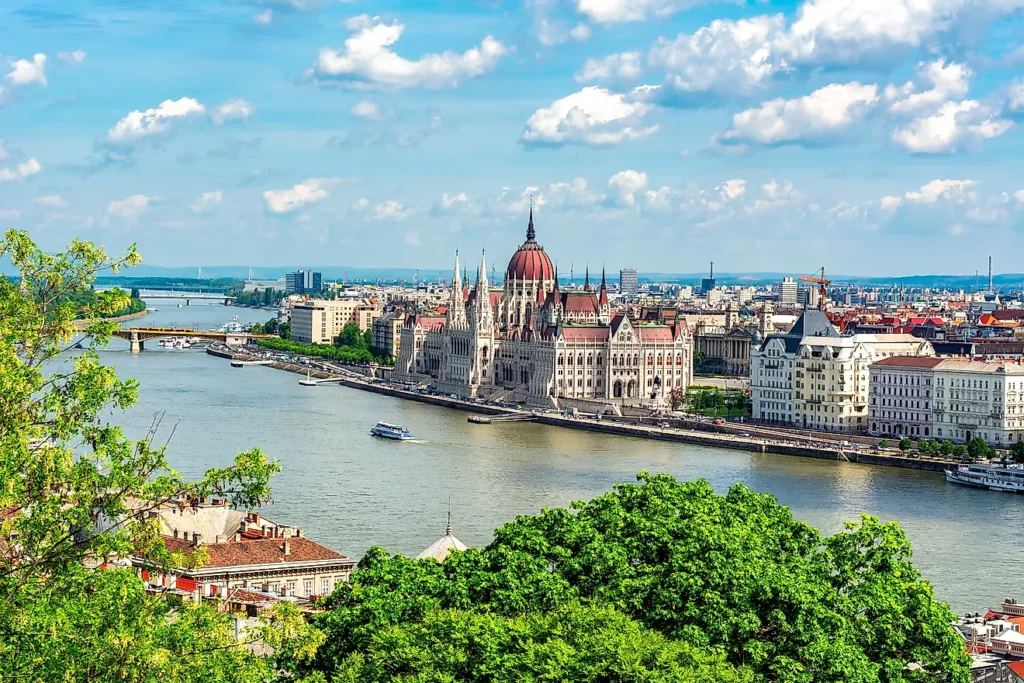
1. Unification of the Danube region – development of transport routes, renewable energy, tourist attraction
2. Protection of the environment, preservation of biodiversity
3. Promoting prosperity — supporting the competitiveness of enterprises, building a “knowledge society”
4. Strengthening positions, achieving political, social and economic stability
All these “pillars” of the Plan are in turn divided into 11 more focused priorities, implemented in dozens of projects and aimed at strengthening ties between the countries of the Danube region and developing international cooperation in order to overcome the disparity in the socio-economic level of the territories.
As follows, the essence of the Strategy lies primarily in changing the mobility of transport flows, since grouping and cooperation are impossible without the free movement of people, goods and information. In turn, the corresponding innovations will affect all other components of the life of the countries. The projects are implemented by the participating countries themselves—in Ukraine, action plans have been developed up to 2022, among which the most promising developments include changes in navigation, environmental policy, and unification.

The Association also initiates international conferences, organizes events within international forums in Europe, prepares analytical materials for European and Ukrainian partners, and ensures the participation of Ukrainian regions that fall within the Strategy’s scope in international events.
Among such events are the International Conference dedicated to the second Day of Ukraine’s Participation in the Implementation of the EU Strategy for the Danube Region, the ceremonial signing of the protocol of intent to establish partnership relations between the communities of Furtwangen (Germany) and Vylkove (Ukraine), which took place in the city of Vylkove, the third Day of Ukraine’s Participation in the Implementation of the EU Strategy for the Danube Region, combined with the second Donor Conference “Danube Dialogue on Financing and Capacity Building.”
Additionally, the Association engages in European integration processes, represents Ukraine in the working bodies of the Danube Strategy, cooperates with coordinators and priority area leaders of the Strategy, ministries involved in the implementation of the Danube Strategy, and regional authorities.
Among the analytics prepared by the Association’s experts are materials on the positive changes and reforms that have taken place in the Ukrainian part of the Danube region recently, which were included in the almanac “Focus on the Danube.”
Together with European experts, an analysis of information attacks in the Danube region countries – Germany, Bulgaria, Hungary, Slovenia, Romania, Moldova, and Ukraine – was conducted. The results were presented during a round table within the VIII Forum of the EU Strategy for the Danube Region on June 26-28, 2019, in Bucharest (Romania).