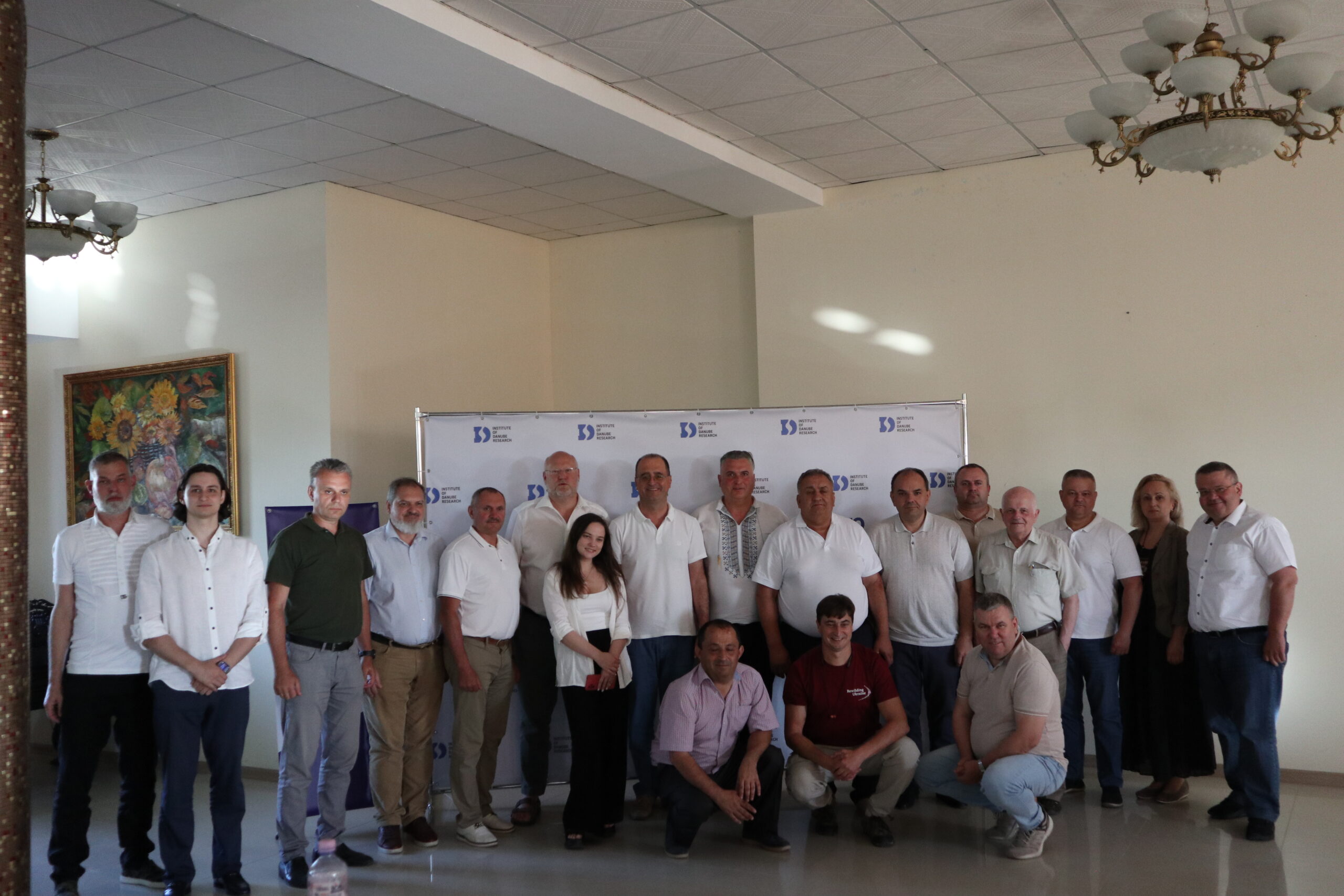
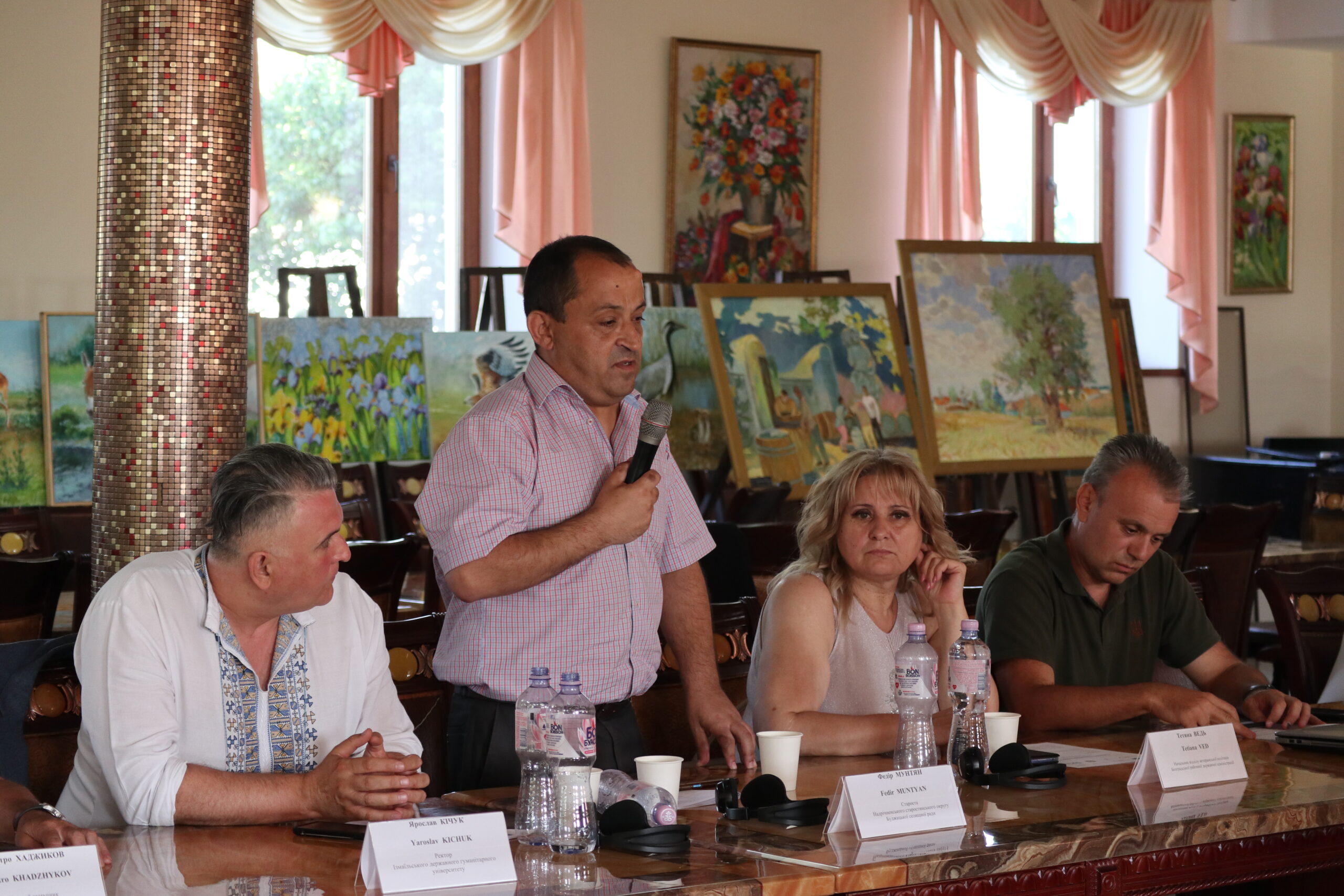
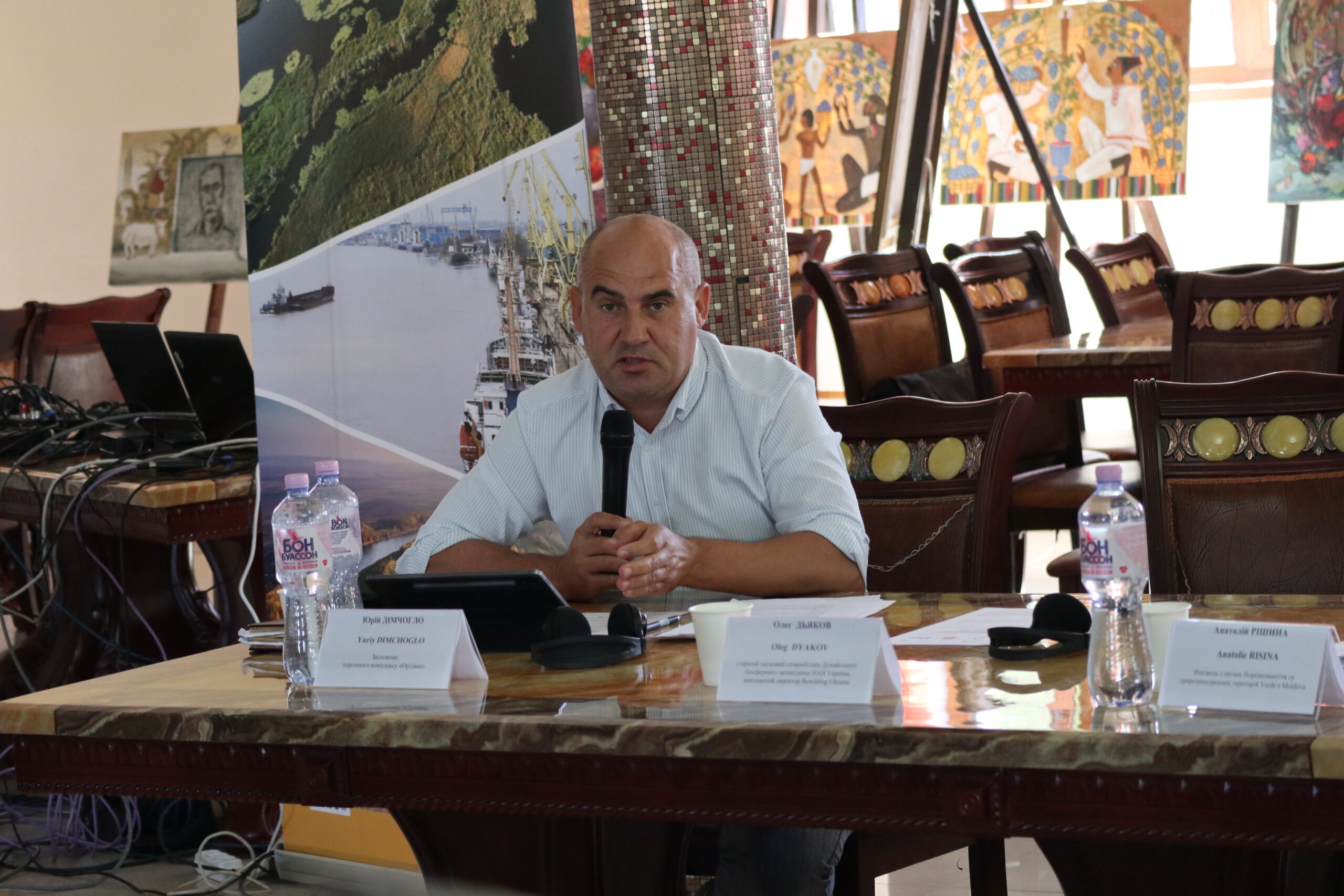
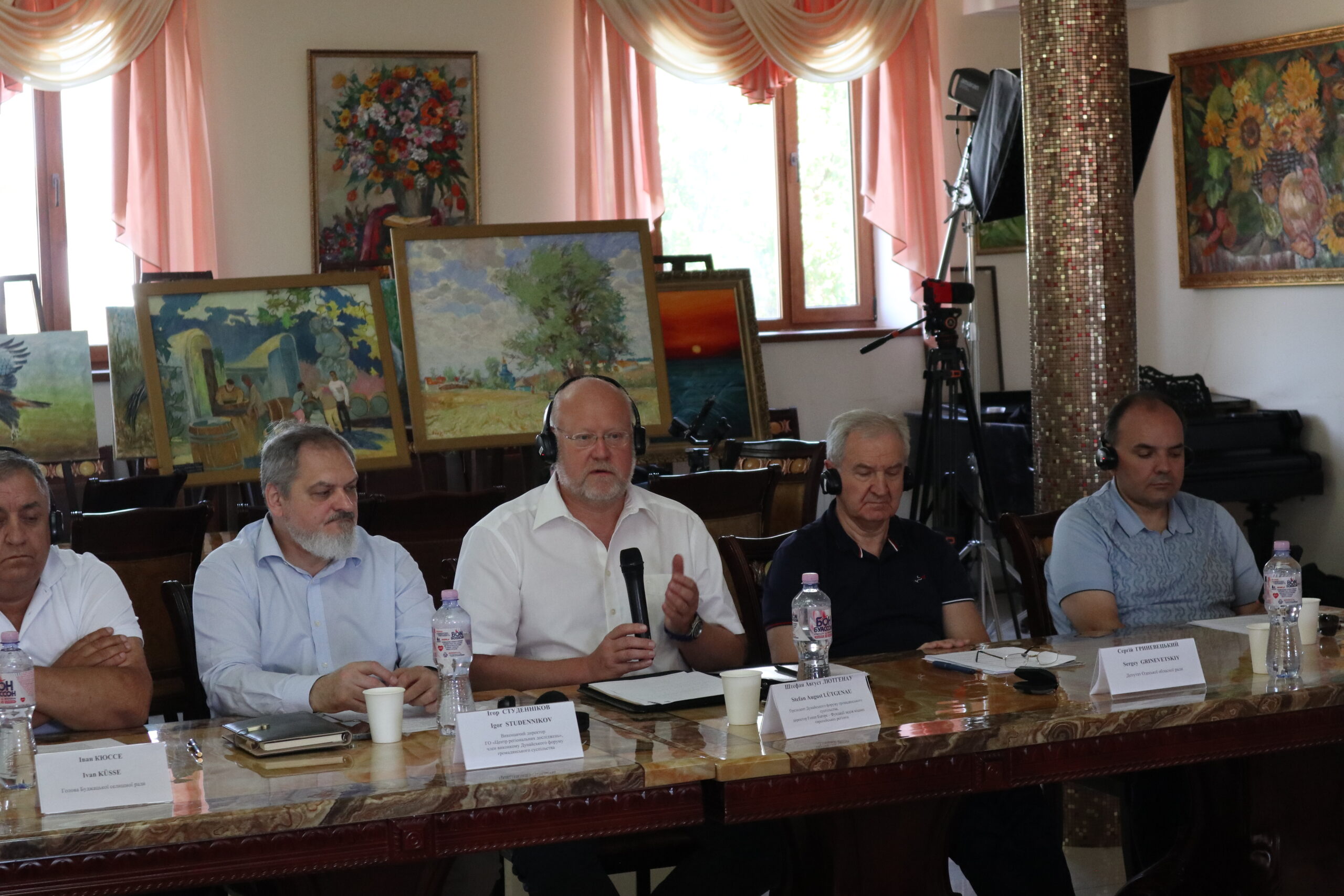
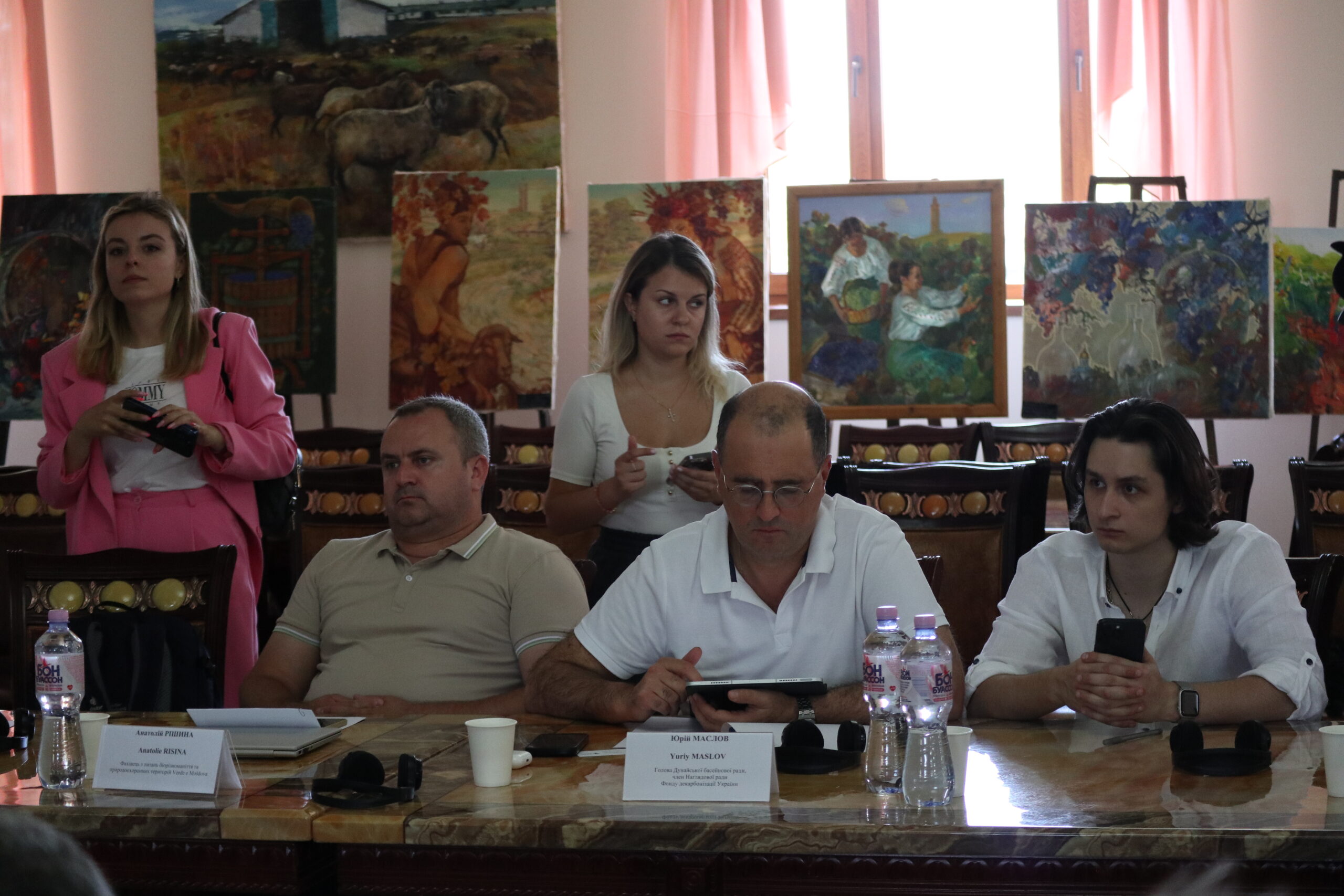
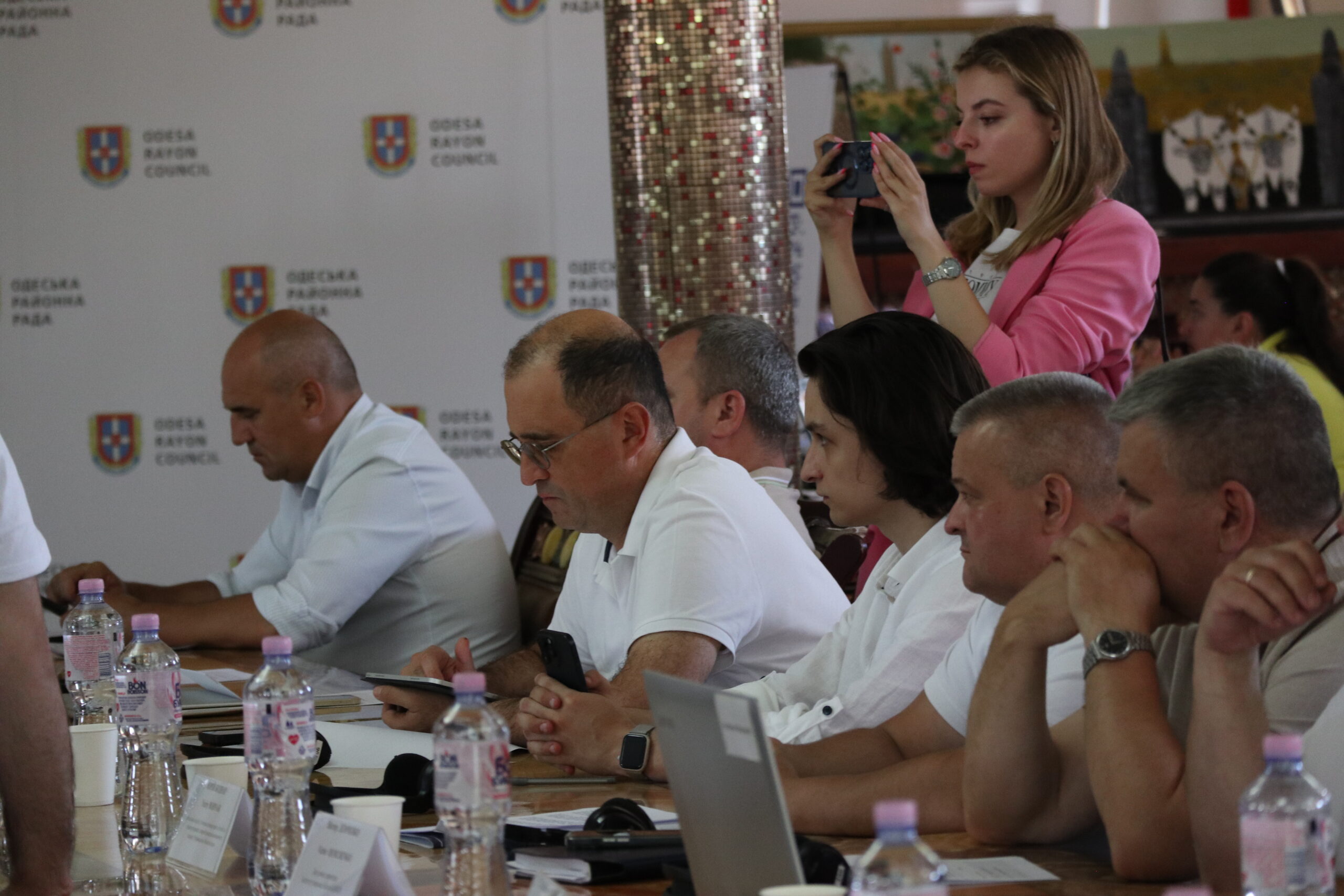
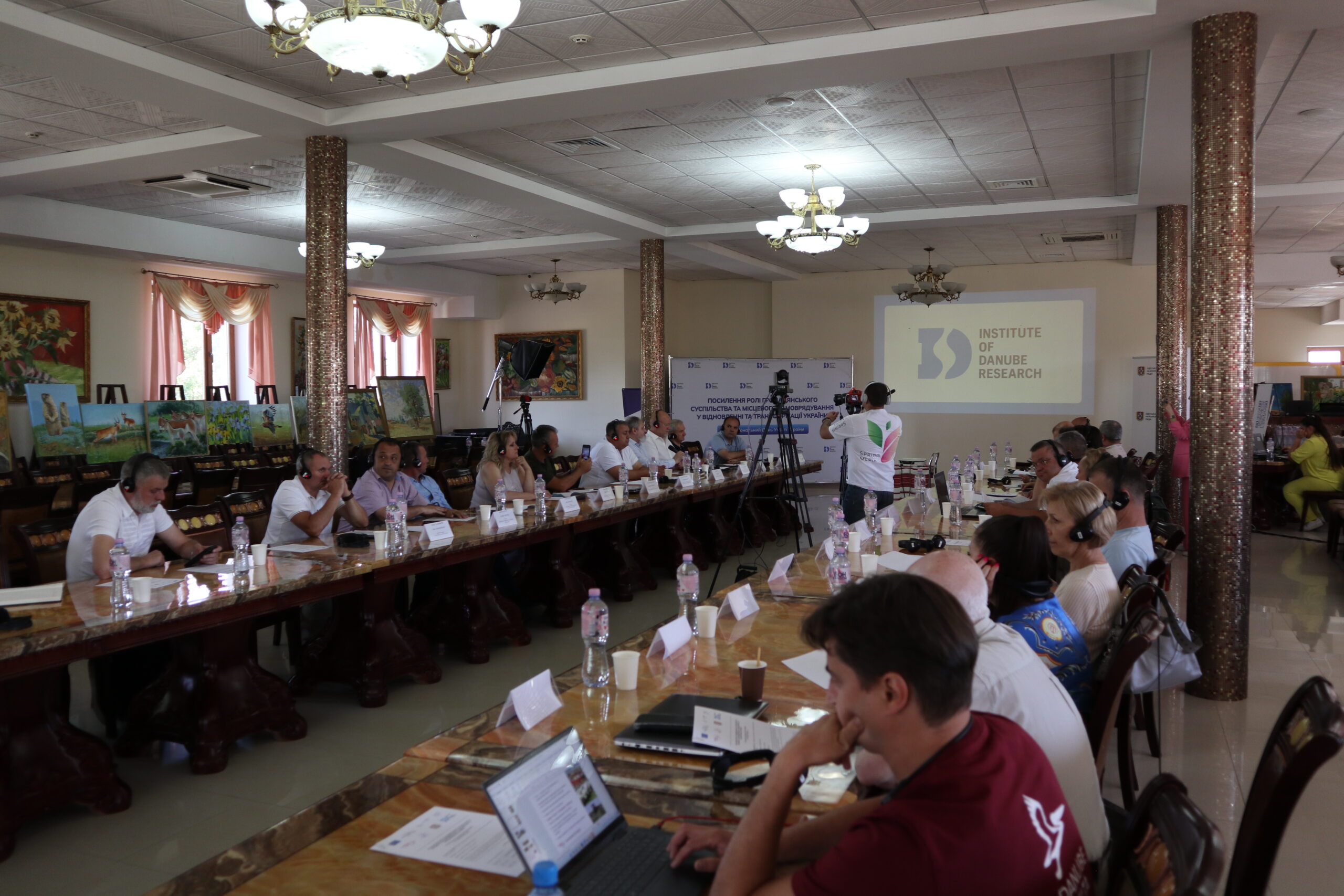
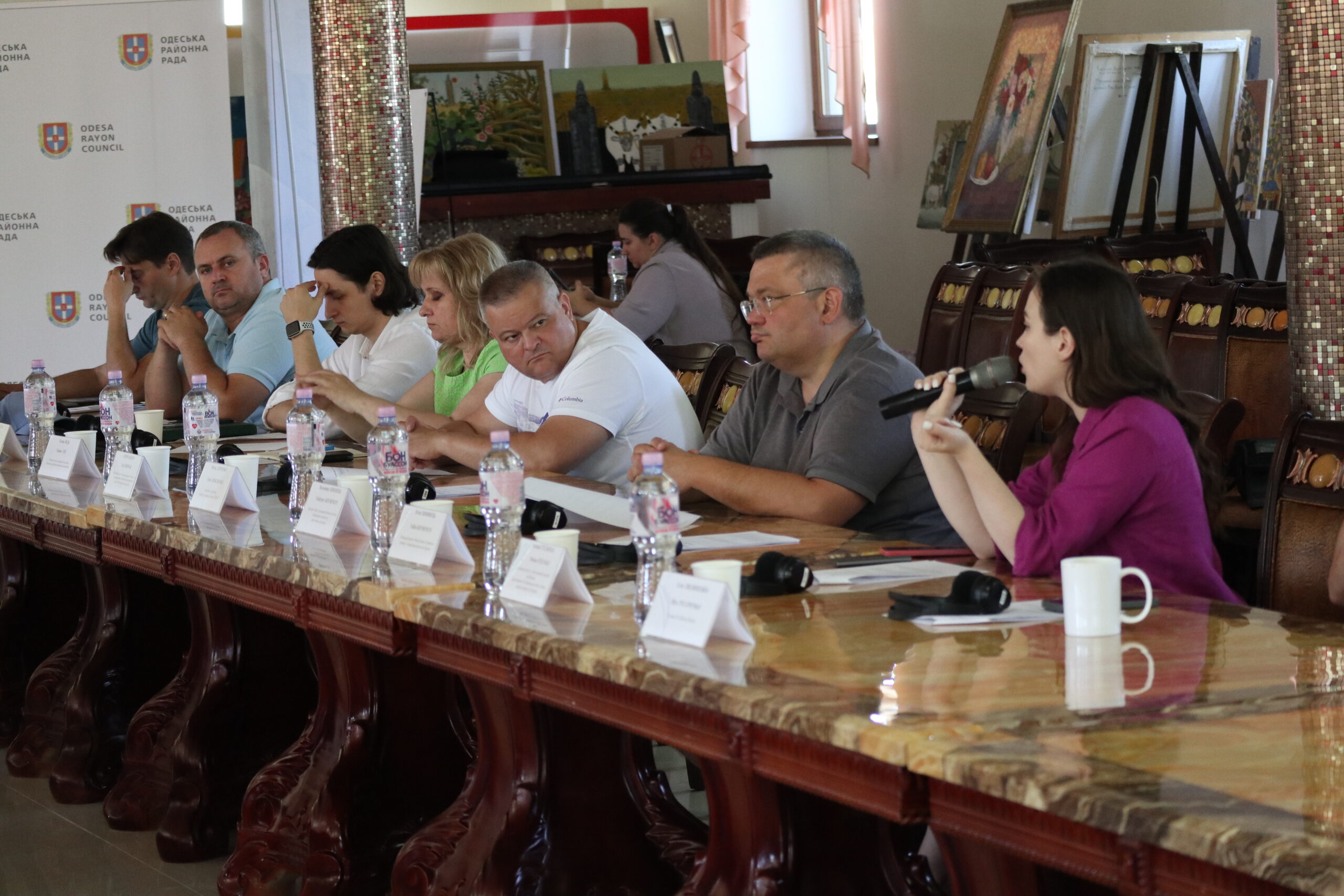
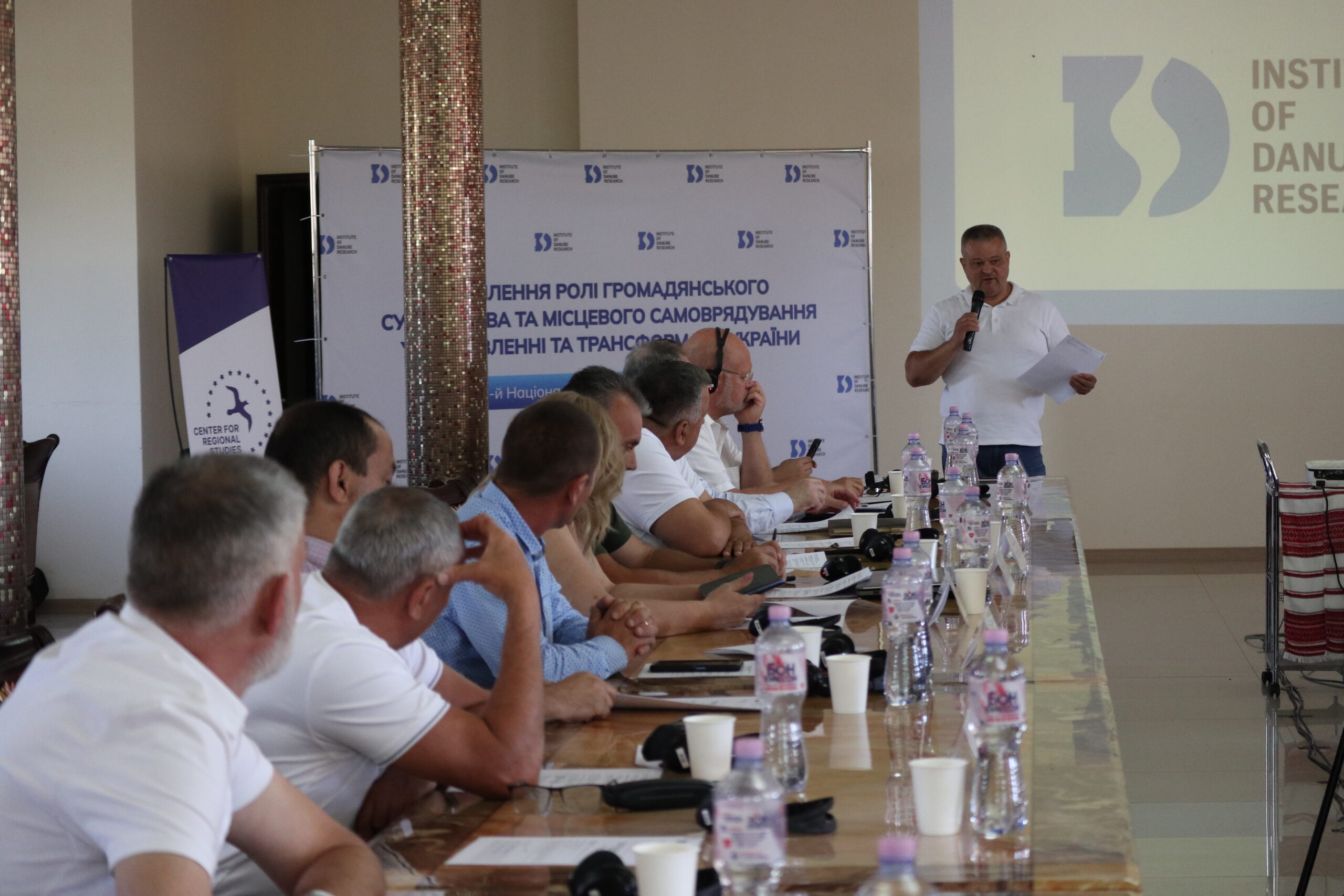
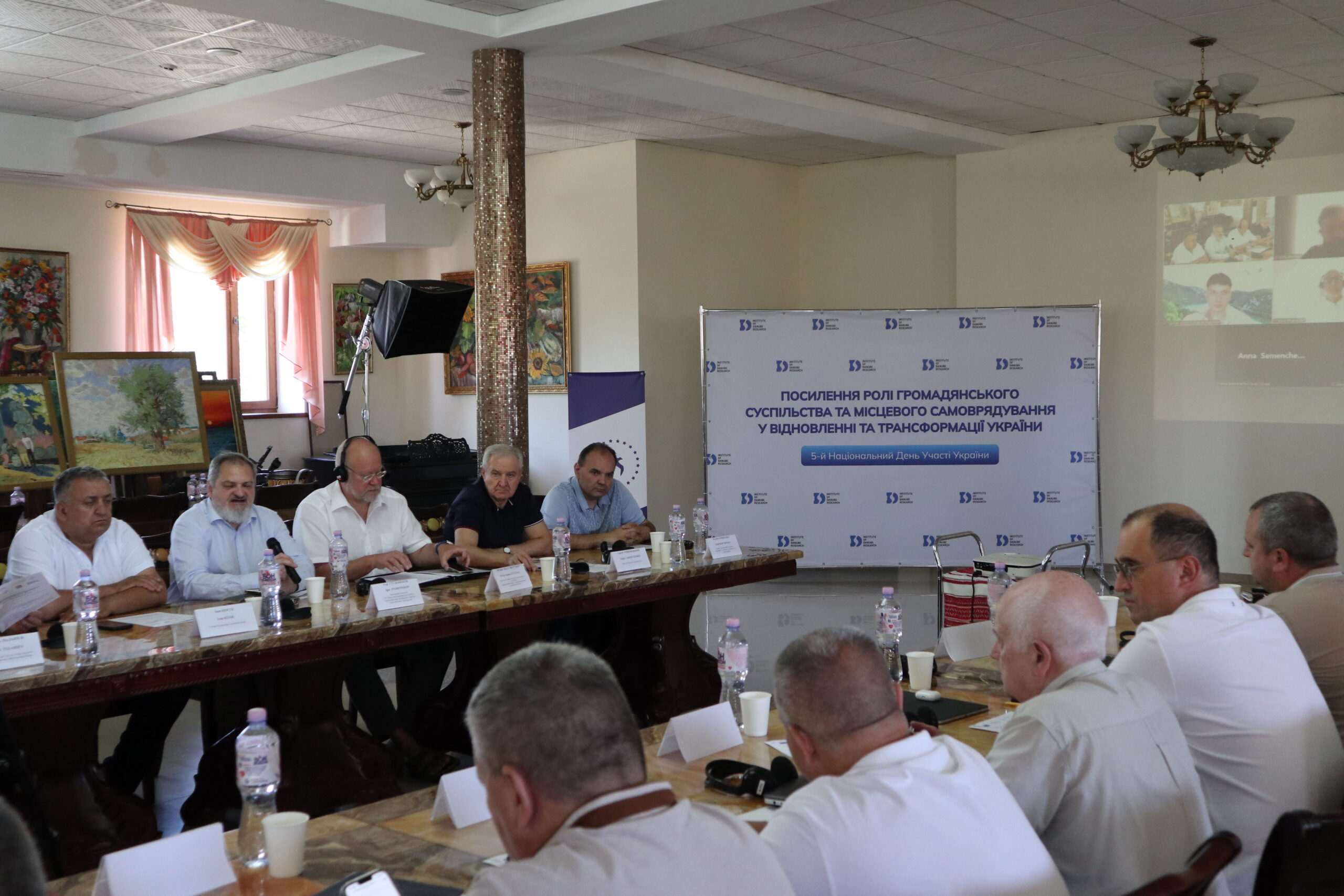
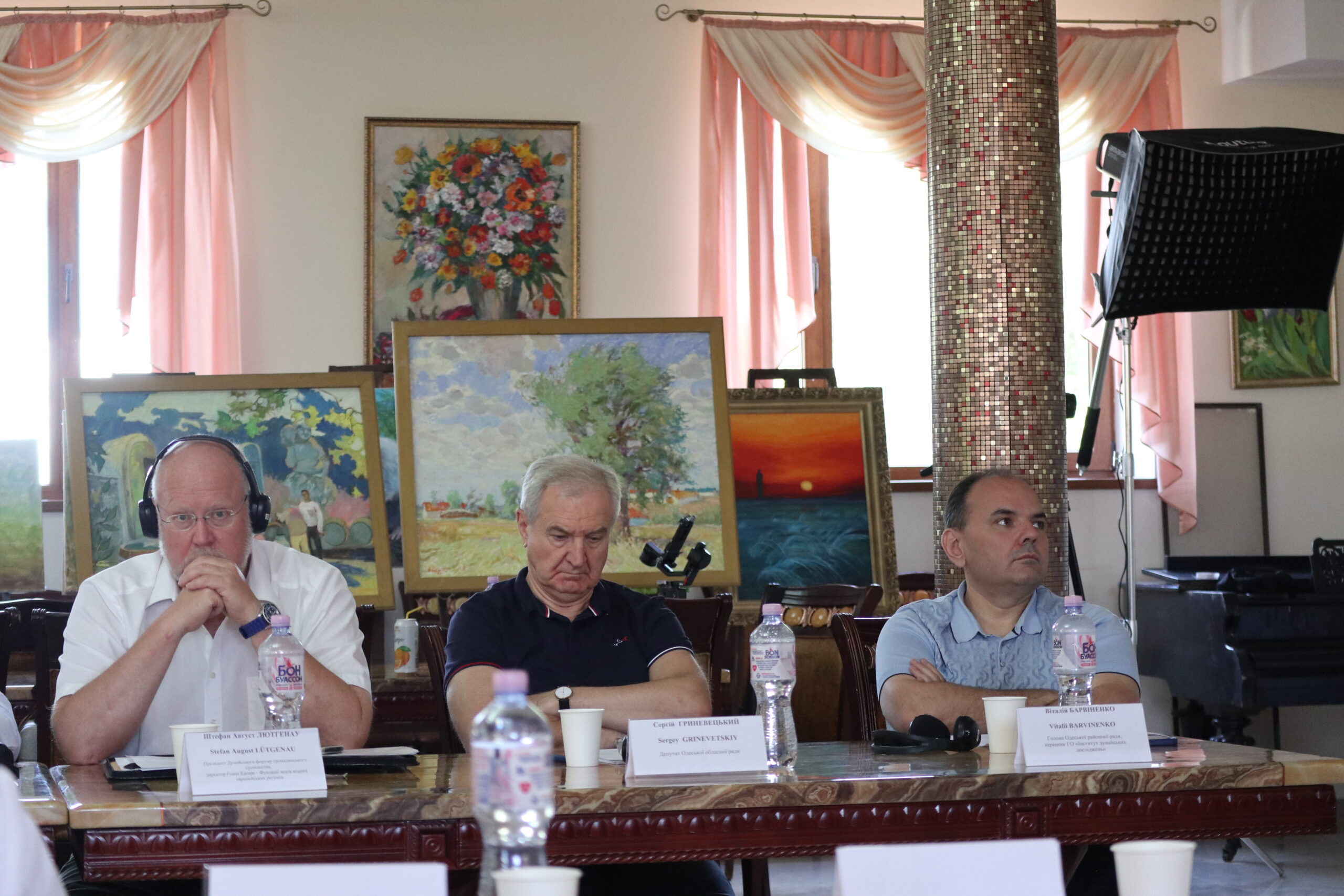
On July 3–4, 2025, the fifth National Participation Day in Ukraine took place in Frumushyka-Nova. This time, the key theme focused on the challenges and potential of Ukrainian Prydanubia.
The Danube region is an area where ecology, economy, and security are deeply interconnected. The disappearance of water in canals and lakes means the loss of natural systems and poses risks for agriculture, fishing, and drinking water supply. The lack of quality logistics cuts communities off from markets and limits all forms of production. The shortage of engineers and technical personnel threatens the implementation of even the best infrastructure plans.
Participants emphasized that this region requires consistent policy with clear powers, funding, and accountability. Special attention was given to the need to restore reclamation infrastructure, protect the Danube Delta, and implement smart water resource management.
One of the main topics was transport and border infrastructure. Attendees repeatedly stressed: without bridges, logistics routes, electrification, and improved border services, development is simply impossible. If logistics aren’t reformed, no agricultural cluster will be able to scale. Without enhancing energy autonomy, production in the region cannot be sustained.
Access to financial instruments remains a sensitive issue. There was discussion about the need to create mechanisms that allow communities to act independently, without waiting for decisions from the center. Local budgets, guaranteed loans, and targeted investment must become part of regional policy.
During the event, Yuriy Maslov, President of the Association “EU Strategy for the Danube Region” Association, moderated the panel “Ecological Recovery of the Ukrainian Part of the Danube Region.” He also stated:
“We must transform the region into an innovation hub without destroying the ecosystem, polluting the water, or displacing wildlife. The region needs access to solutions — through investment tools, energy programs, and regional planning.”
In the context of preserving the Danube Delta, the creation of a protected area was discussed. The Delta is an incredibly complex and fragile ecosystem that requires protection and strategic planning considering the interests of nature, business, and local communities. Such a zone could provide clear rules for land use, reduce conflicts, and lay the groundwork for sustainable development.
Prydanubian communities already work within a European logic: cooperation with Moldova and Romania, cross-border projects, preservation of ethno-cultural heritage, and the formation of new clusters. But integration into the European Union begins with small steps — trust in communities, support for local initiatives, and concrete infrastructure solutions. To maintain this momentum, national-level support is essential.
Prydanubia shows that where there is a clear demand for development, shared responsibility, and access to tools — a new quality of public policy emerges. It is crucial not to lose this growth point and not to postpone its realization for another decade. No reform can succeed without community participation. It is at the local level where it becomes clear what truly works — and what only looks good on paper. And right here — in Frumushyka-Nova — these signals sound especially clear.