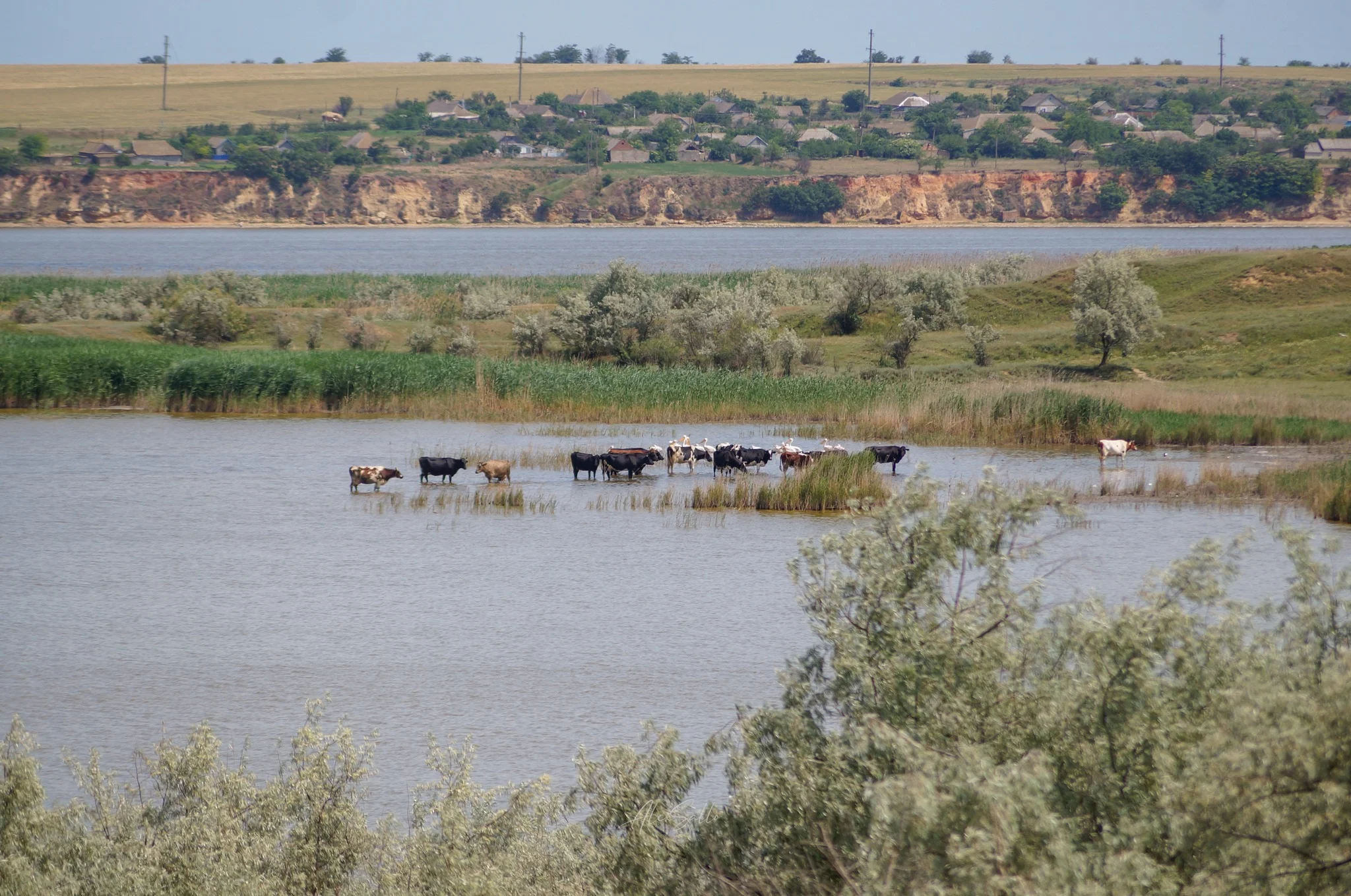
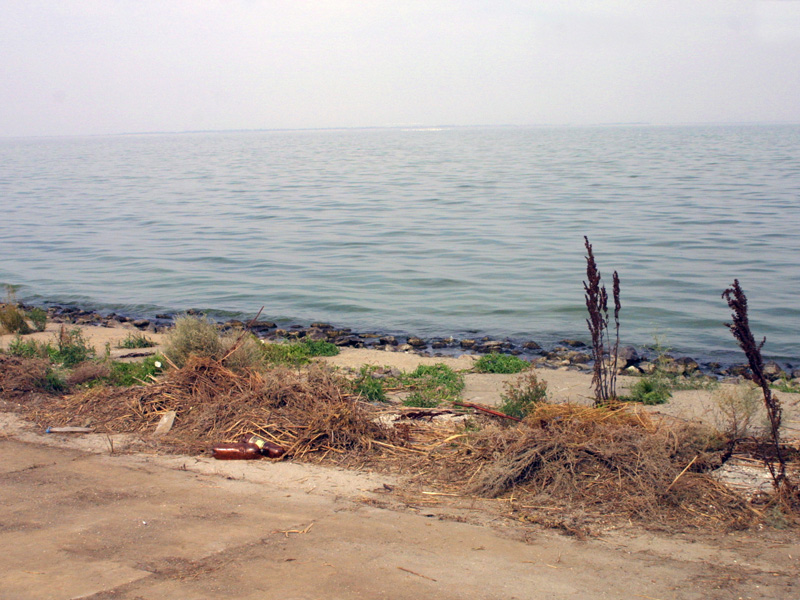
In 2025, the lakes Yalpuh, Kartal, Kugurluy, Kagul, Kitay, Katlabukh, and Sasyk reached the verge of critical shallowing. What recently seemed like a seasonal phenomenon is turning into a systemic crisis. Climate change, neglected infrastructure, and chaotic water use are destroying any chance of natural recovery.
Modeling results show a catastrophic trend. Within a year, the water level will drop by 20–25 cm, and the shallowest lakes will turn into swamps. In five years, a one-meter loss of water will wipe out commercial fishing and cause irrigation water shortages. In ten years, most of the lakes will dry up completely. Only small puddles will remain in Yalpuh and Kagul, while Kitay, Katlabukh, and part of Kugurluy may disappear forever.
The crisis will have a multilevel impact: over 70% of fish, amphibian, and bird species will die out; saline soils will spread; and crop yields will plummet. More than half a million residents will be left without drinking water, leading to migration and community collapse. The region will lose its natural wealth and its status as one of Ukraine’s key agroecological zones.
Saving the Danube region must start today — and only through comprehensive measures: modernization of sluices and canals, transition of farmers to water-saving technologies, strict monitoring, and legal regulation. A basin-wide approach is needed, not isolated “patchwork” actions. This is precisely the approach taken by the Lower Danube River Basin Management Plan, adopted by the government in December 2024.
This document serves as a five-year roadmap. It allows the transition from chaotic actions to strategic vision — from attracting EU and donor funding to implementing tangible projects in local communities.
The way out of the crisis is possible only through coordinated efforts among local authorities, government agencies, scientists, and international partners, along with stable financing that combines urgent actions with a long-term strategy.