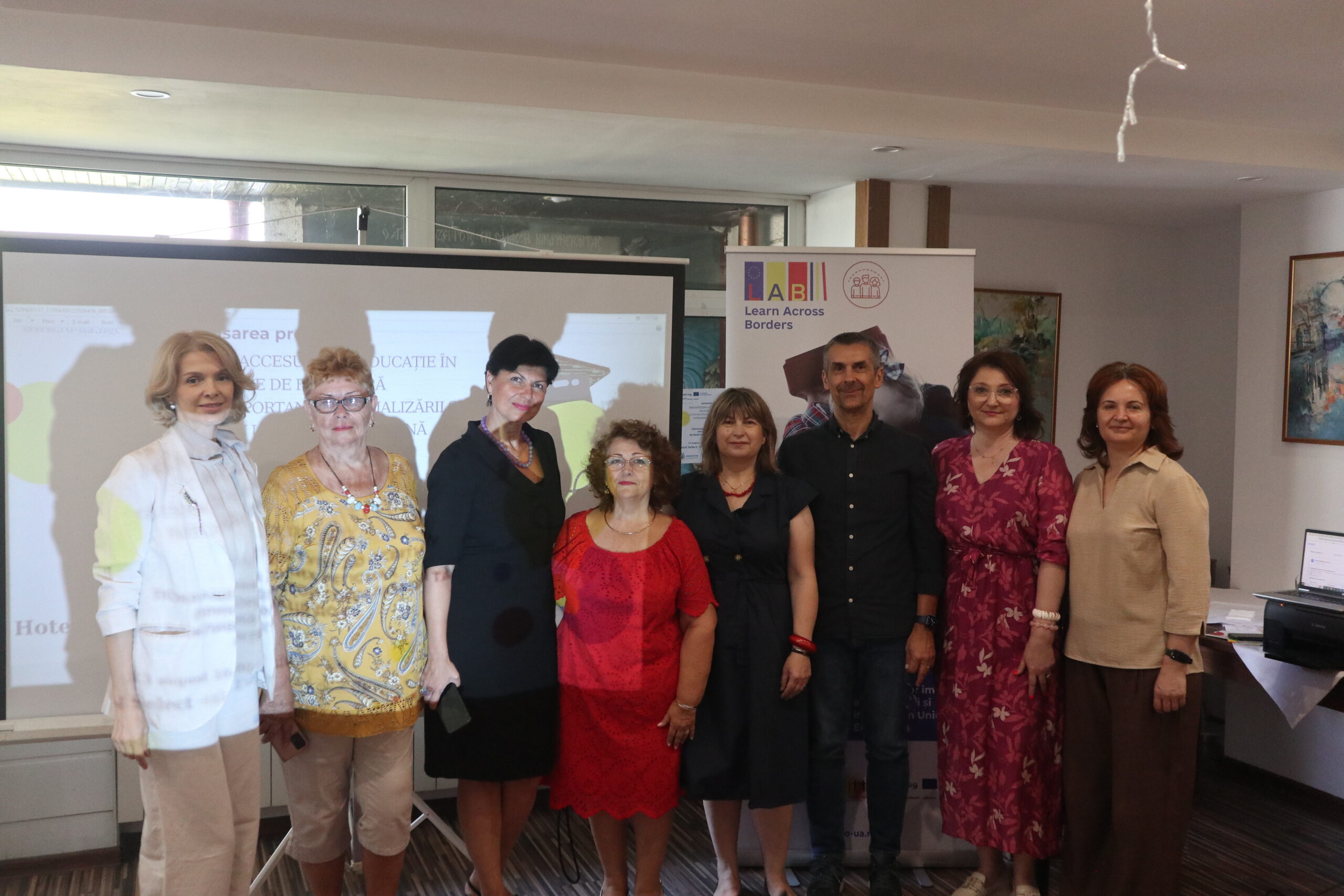
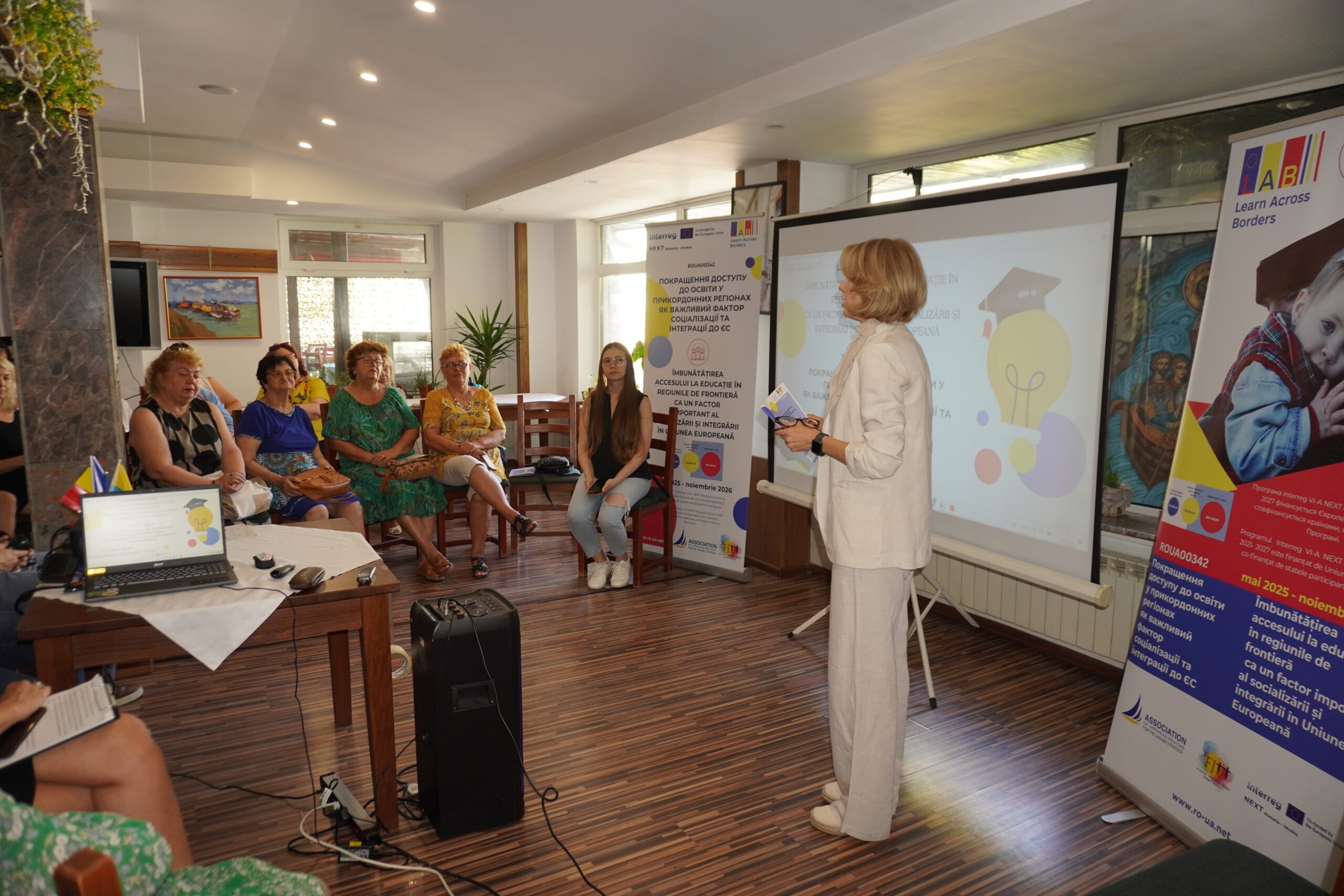
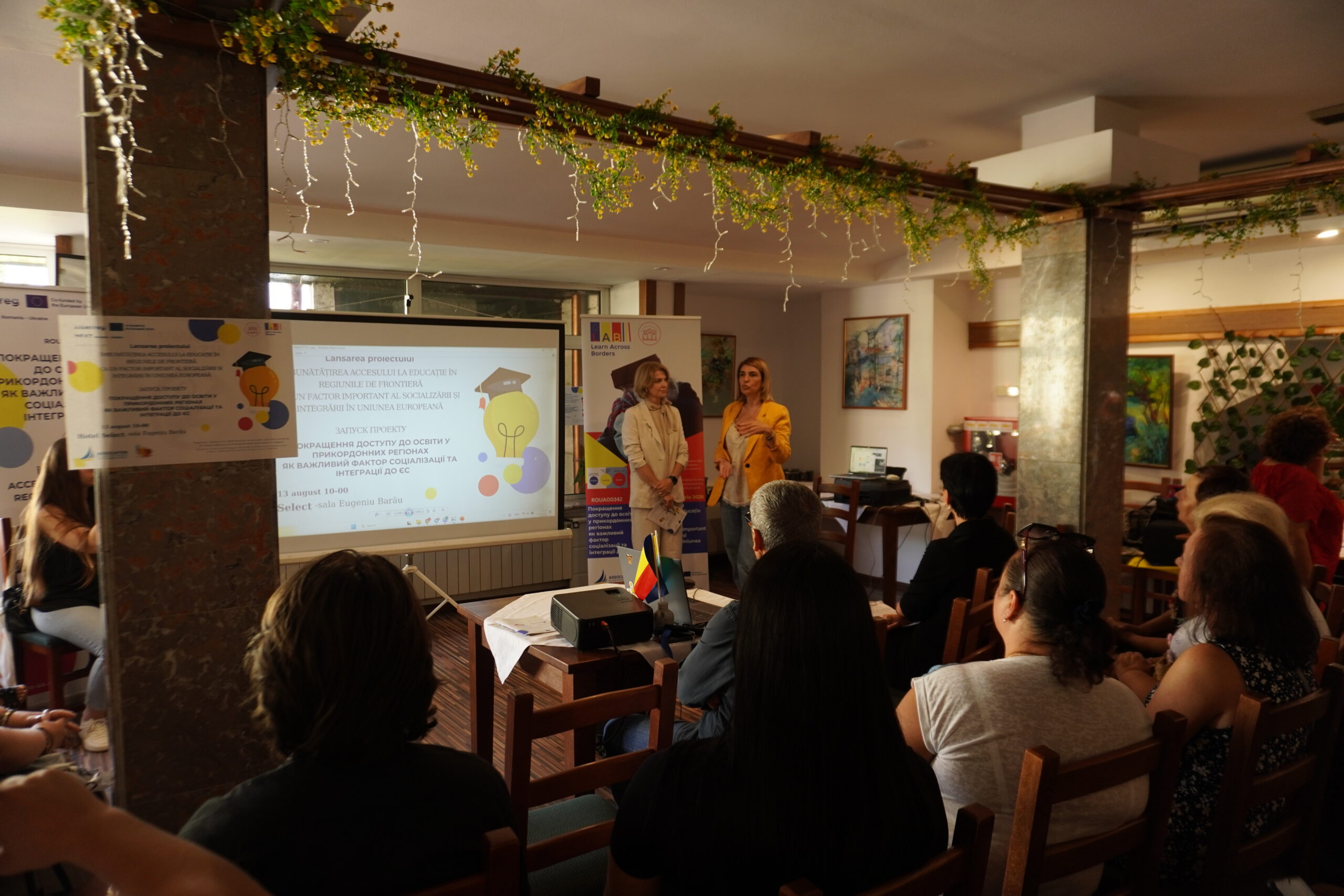
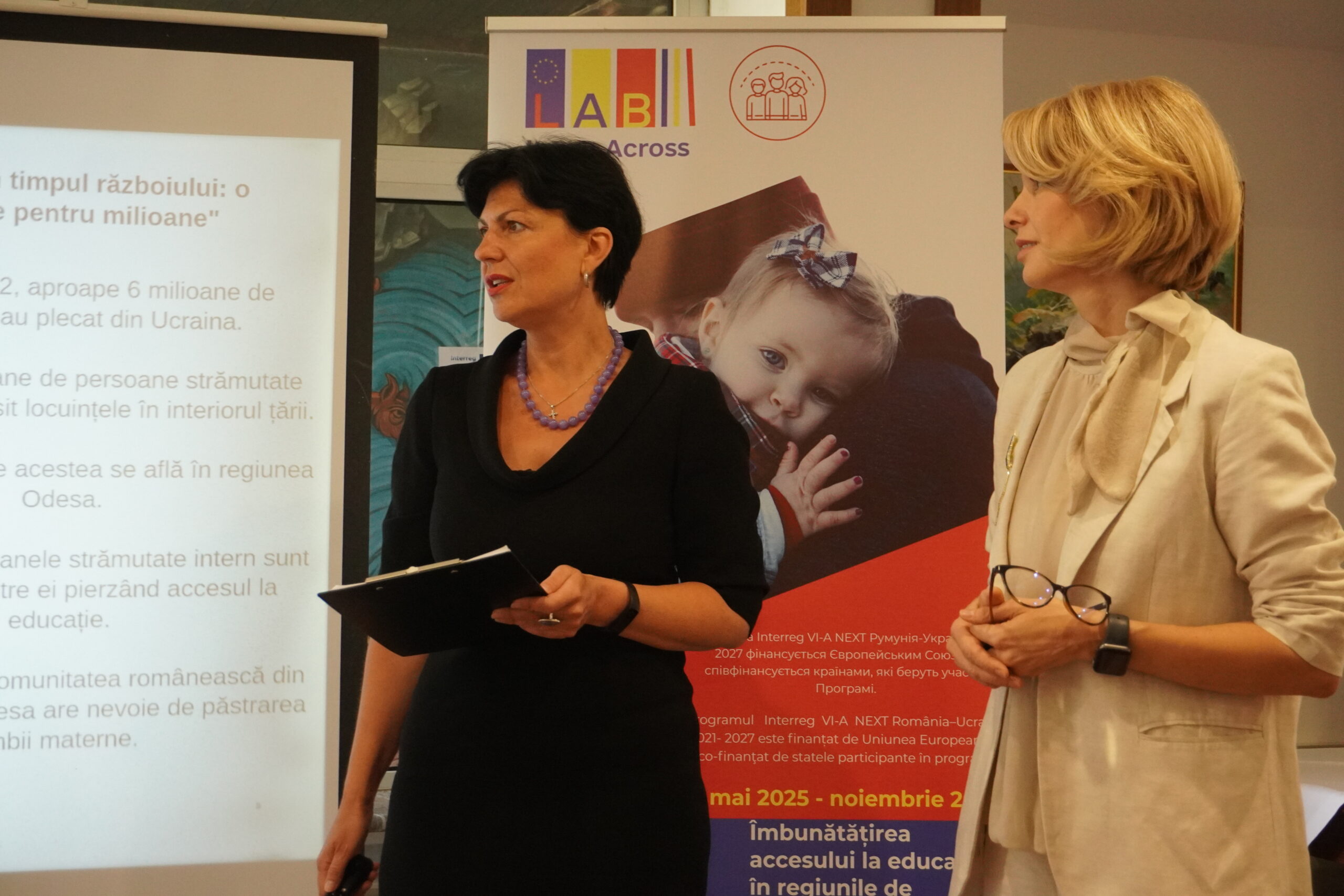
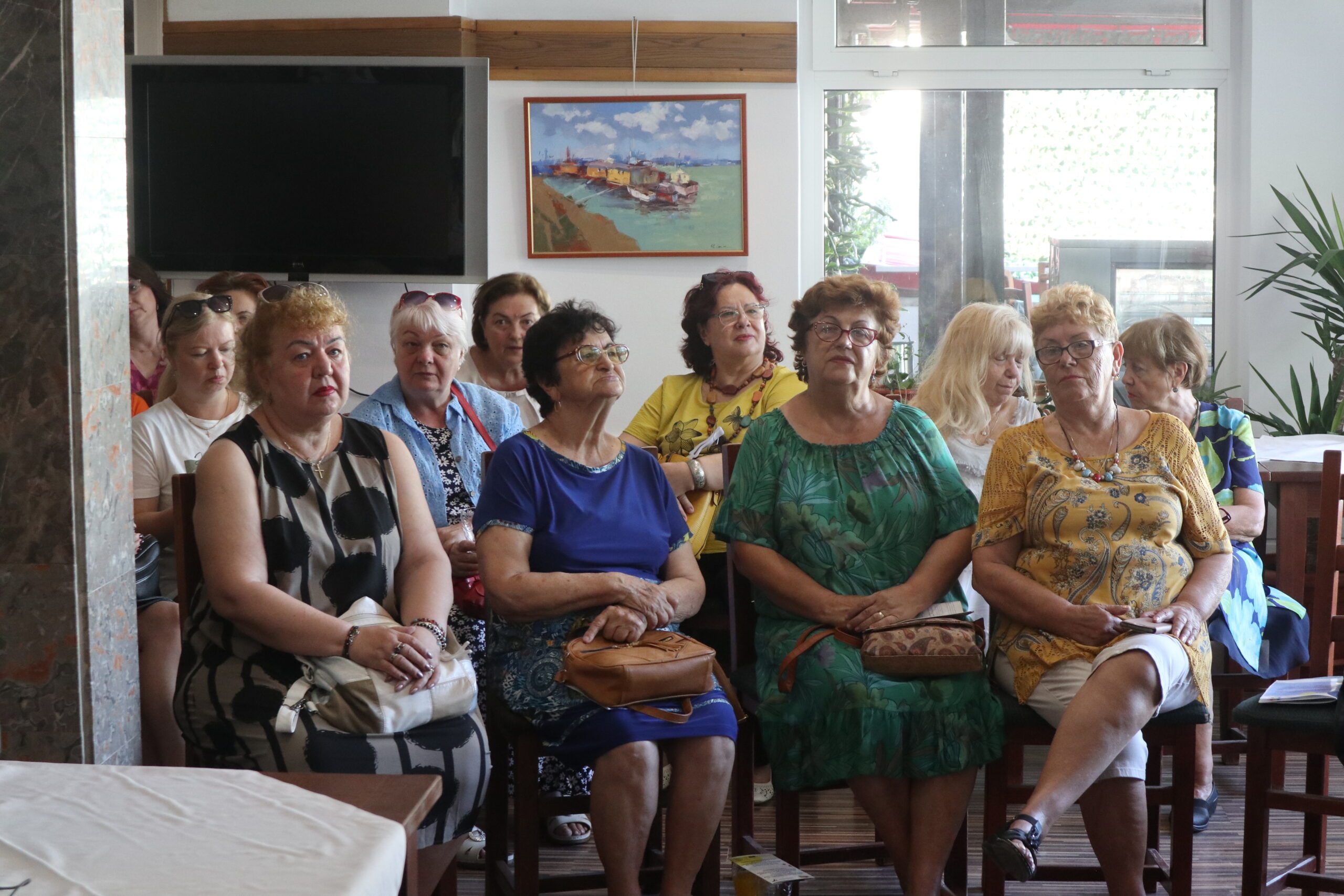
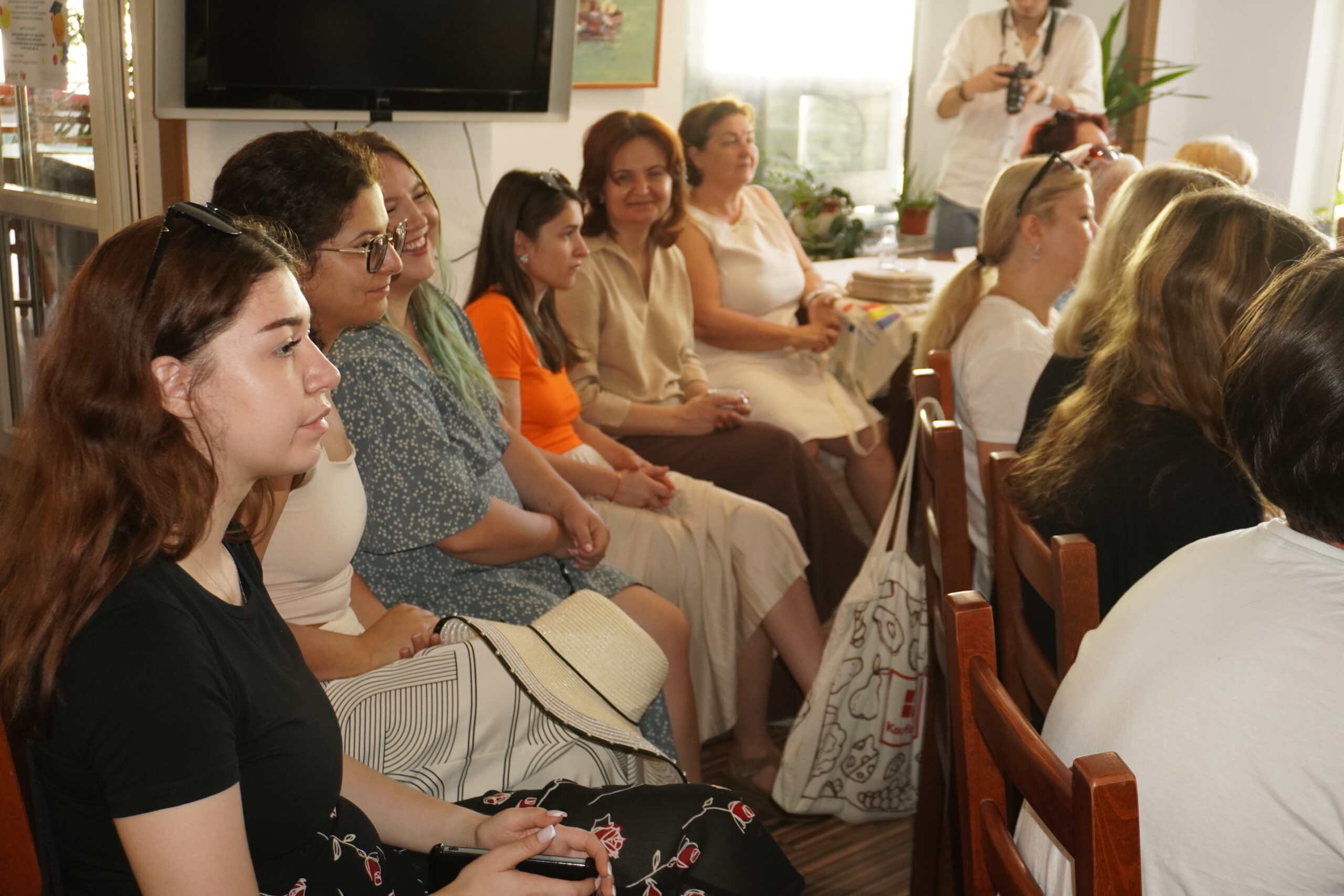
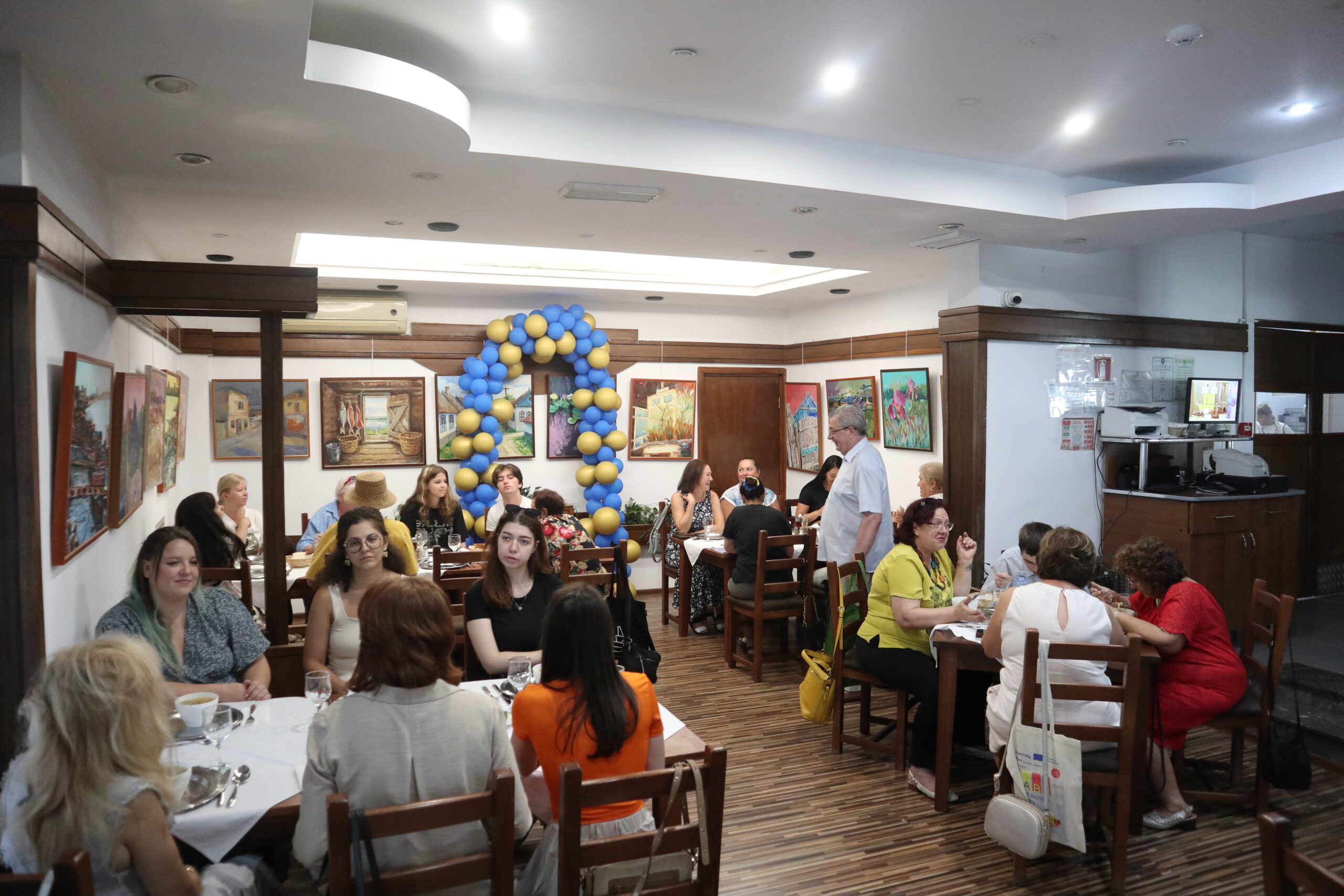
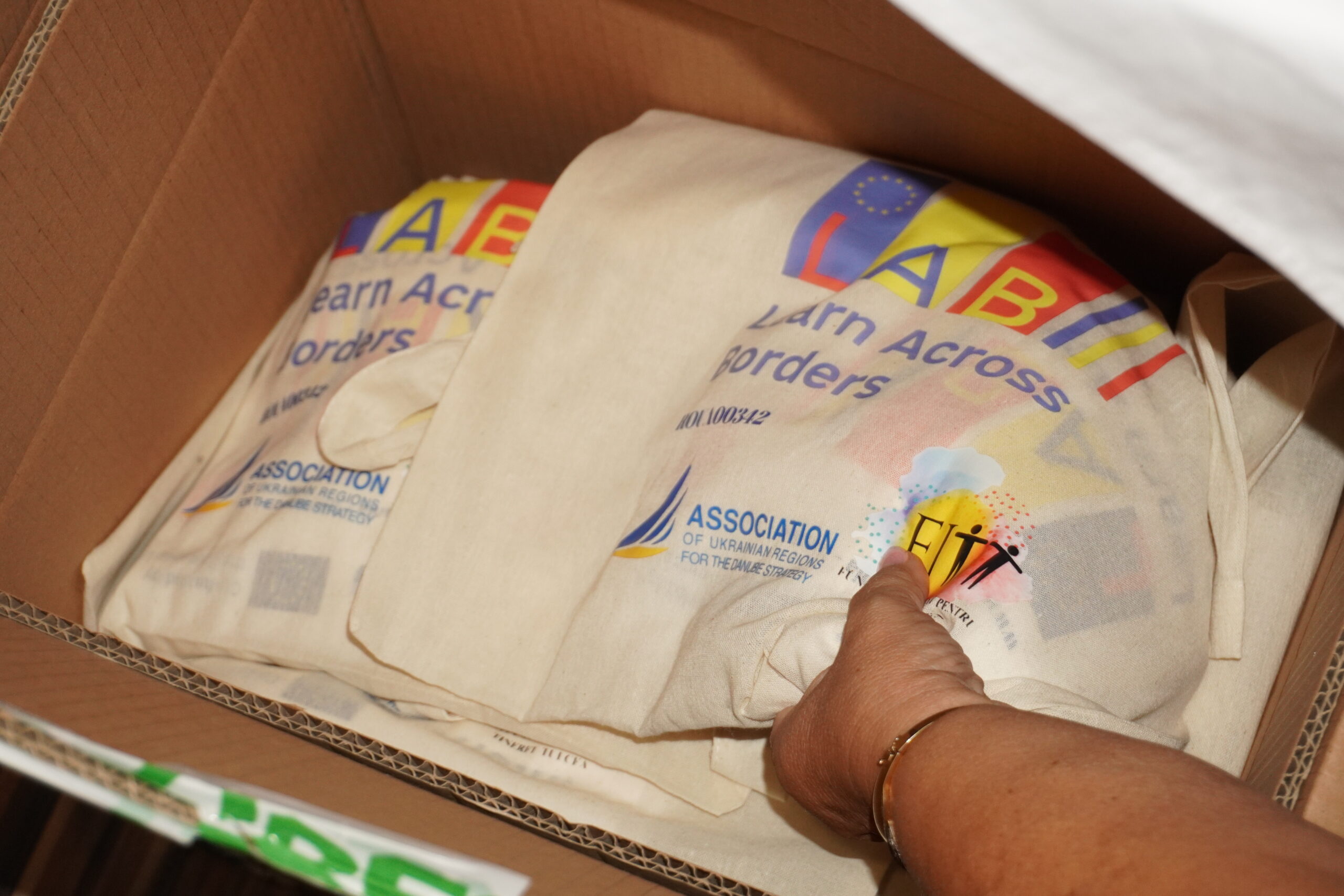
On August 13, an official conference marking the launch of the transnational project “Improving access to education in border regions as a key to socialization and EU integration” ROUA00342 took place in Tulcea (Romania). The initiative is being implemented within the framework of the Interreg VI-A NEXT Romania-Ukraine 2021-2027 program (https://ro-ua.net). The Interreg VI-A NEXT Romania-Ukraine 2021-2027 program is funded by the European Union and co-financed by the participating countries. The project budget is 281,439.93 EUR.
The goal of the project is to restore and expand access to native-language education for children, youth, and adults in the border regions of Ukraine and Romania, as well as to promote cultural integration and the development of sustainable partnerships between communities.
The project involves creating bilingual courses, developing modern educational programs and manuals, launching a digital educational platform, and opening training centers in Tulcea and Odesa.
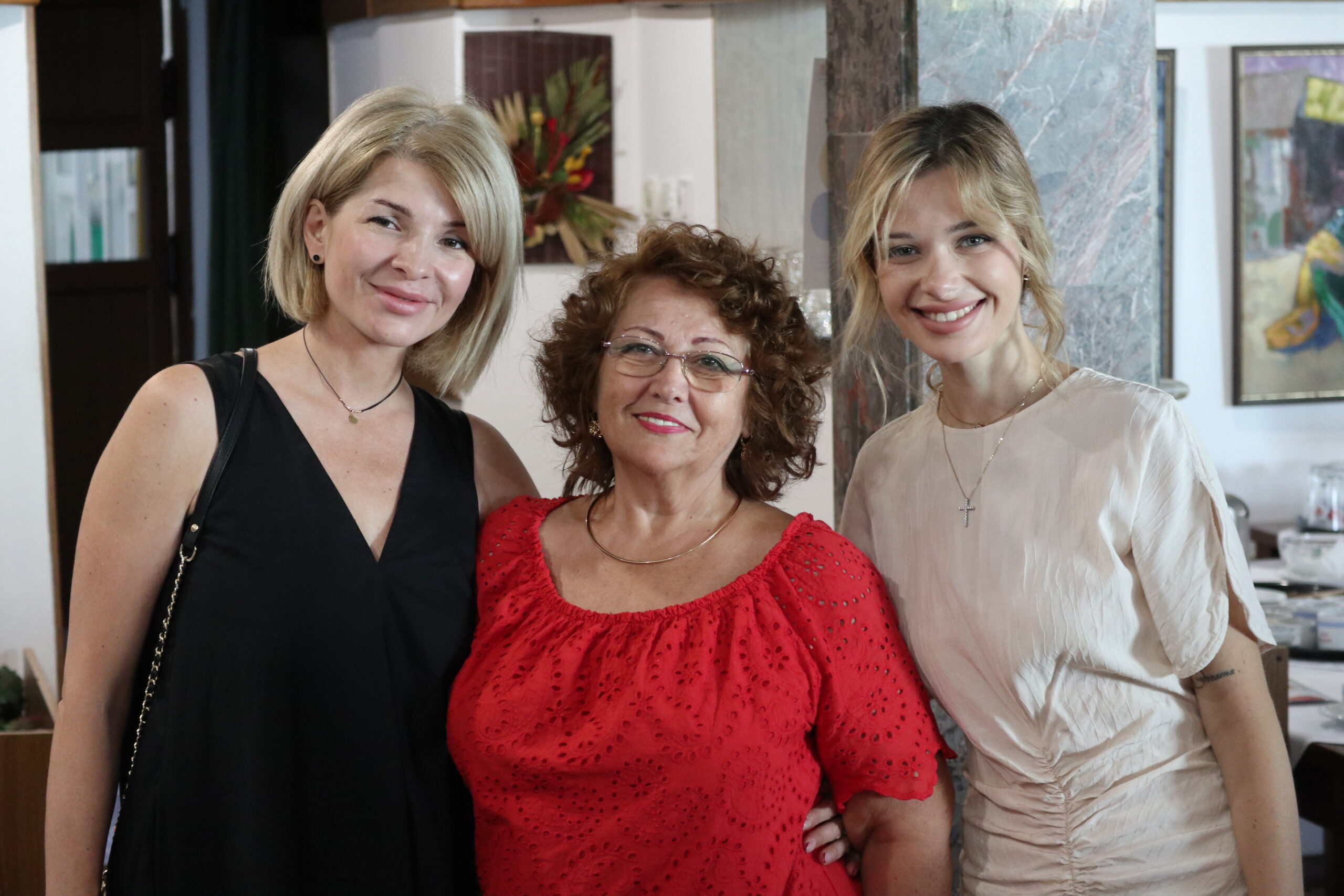
During the conference, representatives of both partner organizations emphasized the practical benefits of the initiative.
Liliana Gologan, a representative of the Association “EU Strategies for the Danube Region” (Odesa), highlighted that mobile applications and digital resources are often more convenient today than traditional courses and can serve as a catalyst for widespread participant engagement.
Carmen Simionescu, President of the Tulcea County Youth Foundation, noted that the next 10 months will be dedicated to developing an effective language learning procedure and creating educational materials that will genuinely help displaced persons and local residents integrate more quickly into the community and the labor market.
Words of support were also expressed by representatives of the local administration. Tulcea City Manager Nicolae Bibu and Prefecture Representative Daniela Petroschi emphasized the importance of intercultural dialogue for the region’s development. An emotional component was added to the event by Raluca Cacencu, a representative of the Ukrainian community in Tulcea, who spoke about the need to restore linguistic and cultural identity in families where these skills had been lost.
The project is targeted at children, youth, adults, and teachers, as well as vulnerable groups, particularly displaced persons. Currently, there are about 300 families of Ukrainian refugees living in Tulcea County who need support in learning the Romanian language for full integration. At the same time, a significant Romanian community lives in the southern districts of the Odesa region, which also requires opportunities to study in its native language.
Since the beginning of the full-scale war, almost 6 million people have left Ukraine, and about 5 million more have become internally displaced persons (IDPs). The Odesa region alone hosts over a quarter of all IDPs, a third of whom are children. Under these conditions, the development of inclusive education and cultural dialogue acquires strategic importance.
The project is implemented by the Association of Local Self-Government Authorities “EU Strategies for the Danube Region” (Ukraine) in partnership with the Tulcea County Youth Foundation (Romania).
This publication was produced with the financial support of the European Union. Its contents are the sole responsibility of the Association of Local Self-Government Authorities “EU Strategies for the Danube Region” and do not necessarily reflect the views of the European Union or the management structures of the Interreg VI-A NEXT 2021-2027 Program.